Upcoming Sessions
- There are no upcoming sessions scheduled
See All Upcoming Sessions

Independent Publication Notice | Aviso de Publicación Independiente English: This guide is independently developed by Vida Training Center. It is not published, sponsored, approved, or endorsed by the Behavior Analyst Certification Board (BACB). RBT® and BACB® are registered trademarks owned by the BACB. Español: Esta guía fue desarrollada independientemente por Vida Training Center. No es publicada, patrocinada, aprobada ni respaldada por el Behavior Analyst Certification Board (BACB). RBT® y BACB® son marcas registradas propiedad del BACB. Copyright © 2026 Vida Training Center. All rights reserved. No portion may be reproduced or distributed without written permission, except as permitted by law. Instructional contributor credit: Patricia Mella. Editorial development and publication: Vida Training Center Clinical Accuracy Revision | Revisión de precisión clínica This edition was revised against the RBT Test Content Outline (3rd ed.), the RBT Ethics Code (2.0), and the June 2026 RBT Handbook. BACB requirements can change; learners and providers must verify the current official documents before relying on certification, supervision, or maintenance information. | Esta edición fue revisada con base en el RBT Test Content Outline (3.ª ed.), el Código de Ética para RBT (2.0) y el Manual del RBT de junio de 2026. Los requisitos del BACB pueden cambiar; los estudiantes y proveedores deben verificar los documentos oficiales vigentes antes de depender de información sobre certificación, supervisión o mantenimiento Read more
Rating
Content
Price


Precauciones Universales y Precauciones de Barrera es un curso diseñado para proporcionar a los participantes los conocimientos fundamentales sobre las prácticas de prevención y control de infecciones utilizadas en entornos de atención médica y cuidado directo. Los estudiantes aprenderán los principios de las Precauciones Universales, el uso adecuado del Equipo de Protección Personal (EPP), la importancia de la higiene de manos, la prevención de la contaminación cruzada y las mejores prácticas para reducir el riesgo de transmisión de enfermedades infecciosas. Este curso está dirigido a profesionales y estudiantes del área de la salud, cuidadores, técnicos de salud conductual, asistentes de salud en el hogar, asistentes de enfermería, personal de apoyo y cualquier persona que tenga contacto directo o indirecto con pacientes o materiales potencialmente infecciosos. Al finalizar el curso, los participantes estarán mejor preparados para aplicar medidas básicas de control de infecciones que contribuyan a proteger su salud, la de sus pacientes y la de sus compañeros de trabajo. Descargo de Responsabilidad (Disclaimer) Este curso tiene fines exclusivamente educativos y proporciona una introducción a los principios de las Precauciones Universales y las Precauciones de Barrera para la prevención y el control de infecciones. Este curso no constituye ni sustituye la capacitación requerida por la norma OSHA sobre Patógenos Transmitidos por la Sangre (Bloodborne Pathogens Standard, 29 CFR 1910.1030), ni reemplaza cualquier otra capacitación obligatoria exigida por empleadores, agencias reguladoras o entidades acreditadoras. Los participantes son responsables de cumplir con las políticas, procedimientos y requisitos de capacitación establecidos por su empleador, institución educativa, agencia reguladora o autoridad competente. Siempre deberán seguir los protocolos vigentes de su lugar de trabajo y utilizar el Equipo de Protección Personal (EPP) adecuado según el nivel de riesgo y las actividades que desempeñen. La información presentada en este curso no constituye asesoramiento médico, legal ni regulatorio y debe utilizarse como complemento, no como sustituto, de la capacitación específica requerida para el desempeño de funciones laborales. Read more
Rating
Content
Price
This bundle includes the Florida Certification Board's required 30-hour CBHT course, Level II fingerprinting required for employment, and all required in-service training. To verify your enrollment and receive access to the course, please call our office at 786-316-7106 or email us at it@vidatrainingcenter.com Read more
Rating
Content
Price
This course provides a comprehensive overview of Tuberculosis (TB), including its causes, transmission, symptoms, testing, treatment, and prevention strategies. Participants will also learn about infection control practices, high-risk populations, and current public health requirements in Florida. In addition, the course introduces recent advancements in TB research, including new diagnostic tools, treatment approaches, and vaccine developments. This training is designed for healthcare workers, caregivers, and individuals seeking general knowledge about TB. Disclosure: This course is for informational and educational purposes only and does not replace professional medical advice, diagnosis, or treatment. Participants are encouraged to consult qualified healthcare providers for clinical decisions. While the content reflects current knowledge and recent developments, guidelines and recommendations may change over time. This course does not certify participants to diagnose or treat tuberculosis. Read more
Rating
Content
Price
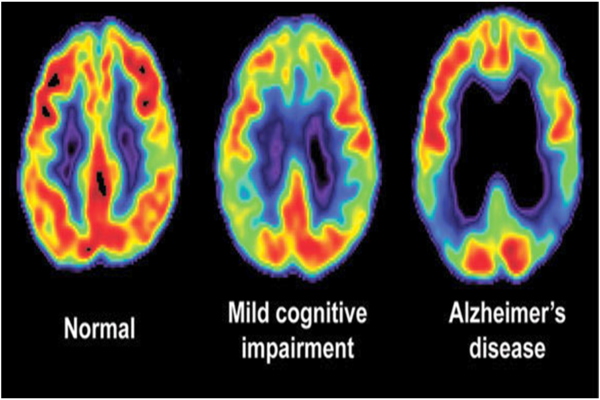
What Is Alzheimer’s Disease? Alzheimer's disease is a type of dementia that causes problems with memory, thinking and behavior. Symptoms usually develop slowly and get worse over time, becoming severe enough to interfere with daily tasks. NOTE: This certificate serves as documentation that the trainee has completed the 4 hours required training pursuant to s. 429.178F.S. and Rule 58A-5.0191(9) & (10). F.A.C. Read more
Rating
Content
Price

Essential Information Program Levels Certificate program Field(s) of Study Behavioral Health Prerequisites High school diploma or equivalent; volunteer work a plus Program Length 1,000 Hours + 24 Hours supervised work experience to qualify for the board exam Licensure/Certification The Florida Certification Board Program Format Three categories of coursework: theory, practical training, and experiences in service learning Possible Careers Behavioral health technician Job Outlook (2014-2024) 5% growth Average Annual Salary (2015) $36,280 (for psychiatric technicians) Source: U.S. Bureau of Labor Statistics Behavioral health programs teach students how to assist licensed counselors and therapists working in mental health clinics and other inpatient settings. Such training usually comes in the form of certificate. Both programs generally require applicants to have a high school diploma and volunteer work can put you ahead of the competition. Now let's learn more about these programs. Certificates in Behavioral Health A certificate program of behavioral health provides students with a basic overview of the field and trains students to assist people with social, personal, mental health or family problems. Such a program is designed to prepare future behavioral health technicians, case managers and family services advocates. Students enrolled in the program learn the basics of group and individual counseling, child advocacy, case report writing and communication skills. Core courses are generally divided into theory, practical training and experiences in service learning. Some course topics may include: Introduction to human relations Ethical counseling Child and family advocacy Therapeutic intervention Case report writing Violence and abuse issues Career Information Graduates of our certificate programs in behavioral health go on to work as behavioral health technicians, also known as psychiatric technicians, in a variety of settings. These professionals often work in county or city health departments, mental health clinics, inpatient facilities and community counseling services. According to the U.S. Bureau of Labor Statistics, employment for psychiatric technicians was expected to increase by 5% between 2014 and 2024. This is an average rate of employment growth compared to other professions in the nation. As of May 2015, these technicians earned an average salary of $36,280 per year. Those in specialty industries, such as substance abuse and psychiatric hospitals, earned the highest average salary for such technicians, at $48,460 per year. Certification Keep in mind that behavioral health technicians may increase their employment opportunities and salary potential by earning professional certification. For example, the state of Florida offers the Certified Behavioral Health Technician credential to those who pass an exam. Our program helps you obtain the coursework, the certification, exam prep, and verified experience through our network of facilities and agencies in the mental health and behavioral fields. Read more
Rating
Difficulty
Content
Price
Shopping Cart
Your cart is empty