Upcoming Sessions
- There are no upcoming sessions scheduled
See All Upcoming Sessions
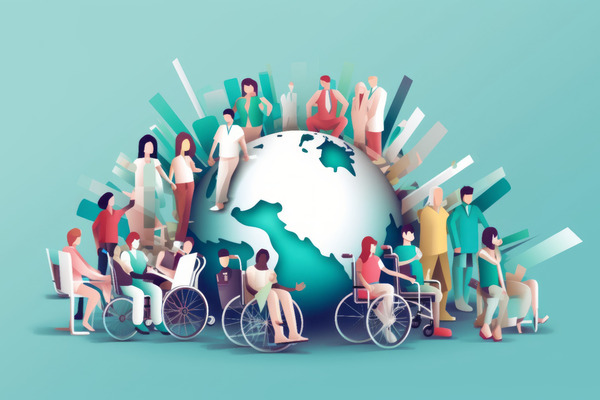
This in-service training provides Home Health Aides with essential knowledge and practical skills for working with persons with disabilities. Participants will learn respectful communication techniques, strategies to promote independence and dignity, safety and infection control practices, and their responsibilities as mandated reporters in Florida. The course emphasizes person-centered care, cultural sensitivity, and real-life scenarios to prepare HHAs to deliver compassionate, professional, and compliant support to clients with disabilities. Esta capacitación en servicio brinda a los Asistentes de Salud en el Hogar (HHA) los conocimientos esenciales y las habilidades prácticas para trabajar con personas con discapacidades. Los participantes aprenderán técnicas de comunicación respetuosa, estrategias para promover la independencia y la dignidad, prácticas de seguridad y control de infecciones, así como sus responsabilidades como reporteros obligatorios en Florida. El curso enfatiza la atención centrada en la persona, la sensibilidad cultural y escenarios de la vida real para preparar a los HHAs a brindar un apoyo compasivo, profesional y conforme a la normativa a los clientes con discapacidades. Disclaimer: This in-service training is intended for educational purposes only and does not replace agency policies, professional judgment, or state/federal regulations. Completion of this course does not grant professional licensure or certification beyond the in-service credit hours required for Home Health Aides in Florida. Participants are responsible for following their employer’s guidelines and all applicable laws when providing care. Descargo de responsabilidad: Esta capacitación en servicio tiene fines exclusivamente educativos y no sustituye las políticas de la agencia, el juicio profesional ni las regulaciones estatales o federales. La finalización de este curso no otorga una licencia profesional ni una certificación más allá de las horas de educación continua requeridas para los Asistentes de Salud en el Hogar en Florida. Los participantes son responsables de cumplir con las normas de su empleador y con todas las leyes aplicables al brindar atención. Read more
Rating
Content
Price


This 2-hour professional development course is designed to prepare Registered Behavior Technicians (RBTs), BCaBAs, and ABA support staff to deliver high-quality behavior services within early childhood education environments, such as daycare centers and preschools. Participants will explore the unique challenges and opportunities of working in shared childcare spaces, including how to maintain ethical standards, collaborate respectfully with childcare staff, ensure child safety, and adapt ABA strategies to naturalistic, group-based settings. This course empowers ABA providers to uphold professional integrity, protect client confidentiality, and support young learners effectively in dynamic environments. DISCLAIMER This course, "Providing ABA Services in Child Care Settings: Guidelines and Best Practices," is intended for educational and professional development purposes only. It does not constitute legal advice, clinical supervision, or certification by the Behavior Analyst Certification Board (BACB), the Florida Department of Children and Families (DCF), or any state regulatory body. While the content is designed to align with ethical guidelines and recommended practices in behavior analysis and early childhood care, each provider is responsible for adhering to the specific policies, regulations, and supervision requirements applicable in their state, agency, or child care facility. Participants are encouraged to consult their supervising BCBA, employer, or legal counsel for guidance related to specific cases or employment settings. Read more
Rating
Content
Price

This 2-hour self-paced online course equips professionals and caregivers with essential knowledge to recognize, prevent, and report child abuse and neglect. Through real-life case studies, legal guidelines (including Florida statutes), and practical strategies, participants will strengthen their ability to protect children and fulfill their legal responsibilities. Este curso en línea de 2 horas, en modalidad de autoestudio, brinda a profesionales y cuidadores los conocimientos fundamentales para reconocer, prevenir y reportar el abuso y la negligencia infantil. A través de casos reales, pautas legales (incluyendo estatutos de Florida) y estrategias prácticas, los participantes fortalecerán su capacidad para proteger a los niños y cumplir con sus responsabilidades legales. English: This course is intended for educational purposes only. It does not replace professional legal advice, medical consultation, or mandatory training required by state or federal law. While efforts have been made to ensure the accuracy of the information, laws and regulations may change. Participants are encouraged to consult with local authorities or legal professionals when reporting suspected abuse or neglect. Español: Este curso tiene fines exclusivamente educativos. No sustituye asesoramiento legal profesional, consulta médica ni entrenamientos obligatorios requeridos por la ley estatal o federal. Aunque se ha procurado brindar información precisa, las leyes y regulaciones pueden cambiar. Se recomienda a los participantes consultar con las autoridades locales o profesionales legales al momento de reportar sospechas de abuso o negligencia. Read more
Rating
Content
Price

In today’s world, mental health challenges are more common than ever—and recognizing the signs early can save lives. This engaging and accessible course equips non-clinical professionals with the essential tools to identify, understand, and respond to mental health challenges in children, coworkers, and the community. Through the four modules, learners will explore the fundamentals of mental health and mental illness, recognize early warning signs, practice compassionate communication using the proven ALGEE action plan, and learn how and when to refer individuals for professional support. Key Outcomes: Reduce stigma and promote mental health awareness Confidently recognize signs of emotional distress Respond supportively in a crisis situation Know when and how to connect someone to help Disclaimer: This course is intended for educational purposes only and does not qualify participants to diagnose, treat, or provide therapy for mental health conditions. Mental Health First Aid for Non-Clinicians is designed to equip individuals with basic awareness, supportive communication strategies, and referral guidance—not to replace the expertise of licensed mental health professionals. In any emergency or life-threatening situation, always contact 911 or a qualified healthcare provider immediately. Read more
Rating
Content
Price

As a Home Health Aide (HHA), you play a vital role in the lives of the elderly individuals you care for. Many of your clients may be vulnerable due to age, illness, or isolation—and sadly, some may become victims of abuse or neglect. This training will help you understand what elder abuse is, how to recognize the warning signs, and most importantly, how to respond. By learning how to identify and report abuse, you can help protect your clients and ensure they receive the respect, dignity, and care they deserve. Your awareness could be the first step in stopping abuse and saving a life. Read more
Rating
Content
Price

As a boat captain, you're often the first responder in emergencies onboard. CPR and First Aid skills are essential for responding quickly and effectively until professional help arrives, which can be delayed due to location and access. This educational material is intended solely as a supplemental resource for licensed or aspiring boat captains who have completed, or are in the process of completing, a certified CPR and First Aid course. It is not a substitute for official CPR/AED certification, nor does it serve as a credential to operate a vessel or qualify as a licensed boat captain. The content presented focuses on emergency response skills specific to marine environments and is designed to enhance awareness and preparedness. While it outlines practical strategies for managing emergencies on the water, it does not replace hands-on training, legal certification, or official maritime licensing requirements. Boat captains are responsible for understanding and complying with all applicable U.S. Coast Guard regulations, Florida maritime laws, and vessel-specific safety protocols, including those related to emergency communication, medical response, and passenger care. Vida Training Center and its affiliates assume no liability for injuries, losses, or damages resulting from the application or misapplication of the information in this guide. For real-world emergencies, always follow certified training, seek professional medical assistance when available, and adhere to your legal duty to render aid without placing yourself or others in undue danger. If you are unsure about your legal responsibilities or certification status, consult with a certified CPR instructor, maritime authority, or legal professional. Read more
Rating
Content
Price
Shopping Cart
Your cart is empty